Running a business is already challenging, and HVAC problems only add stress. When heating or cooling fails, employees lose focus, customers feel uncomfortable, and equipment can overheat. Commercial buildings need larger, more complex systems than homes, which means small issues can grow fast. If you rely on HVAC service in Martinsburg, it helps to know that most system failures start small. Catching strange noises or minor temperature changes early can prevent costly emergency repairs. This guide explains common issues, simple maintenance tips, and when upgrades may be needed.
Why Commercial HVAC Systems Face Unique Challenges
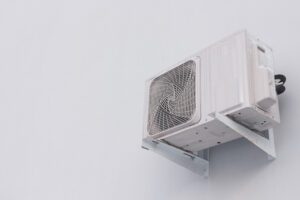
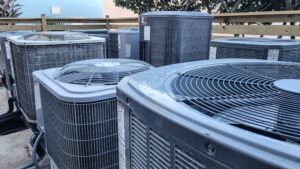
Commercial HVAC systems work nonstop to keep businesses comfortable, protect inventory, and manage heat from people and equipment. Unlike home units, they often run 24/7 and are exposed to harsh conditions like wind, debris, and extreme weather because they are placed on rooftops or in mechanical rooms. Their complex design means a small problem can trigger bigger failures. For example, a clogged filter strains the motor, causes overheating, and may damage belts or circuits. Understanding these connections helps prevent costly breakdowns.
1. Poor Airflow and Clogged Filters
The most common issue in any commercial building is restricted airflow. If you notice that some rooms feel like a sauna while others are freezing, your system is struggling to breathe.
- The Cause: Usually, this is due to dirty air filters. In a commercial setting, filters trap dust, pollen, and industrial particles. When they get full, the air simply can’t get through.
- The Fix: Change your filters every month or at least every quarter. It is the cheapest and easiest way to prevent a total system meltdown. Also, make sure that vents and registers aren’t blocked by office furniture or filing cabinets.
2. Strange Noises and Mechanical Wear
If your HVAC system starts sounding like a dryer full of sneakers, you have a problem. Screeching, clanking, or buzzing sounds are cries for help from the mechanical parts inside the unit.
- The Cause: Commercial units use belts and bearings to move air. Over time, these belts can crack or slip. If you hear a high-pitched squeal, it’s likely a belt. If you hear metal-on-metal grinding, a motor bearing has probably failed.
- The Fix: This isn’t a DIY job. You will need a professional to perform ac repair near martinsburg to swap out those worn parts before they snap and cause much more expensive damage to the entire blower assembly. Regular lubrication of these parts can prevent the noise from starting in the first place.
3. Thermostat and Sensor Malfunctions
Sometimes the HVAC unit is perfectly fine, but the “brain” telling it what to do is confused. In large buildings, multiple thermostats often compete with each other, leading to “clashing” where one zone is trying to heat while the other is trying to cool.
- The Cause: Thermostats can lose their calibration, or their batteries might die. In some cases, sensors are placed in bad spots—like right under a sunny window—which makes the sensor think the whole room is 90 degrees when it’s actually quite chilly.
- The Fix: Calibrate your thermostats annually and ensure they are placed in “neutral” spots away from direct sunlight or drafts. Switching to a smart, centralized system can help you maintain perfect climate control throughout the entire facility without having to check every single wall unit manually.
4. Refrigerant Leaks
Refrigerant is the “blood” of your cooling system. It’s the fluid that absorbs heat from the indoor air and carries it outside. If the level is low, your AC will blow warm air, no matter how low you set the temperature.
- The Cause: Vibrations in commercial units can cause small cracks in the copper lines, allowing the refrigerant to hiss out slowly over time.
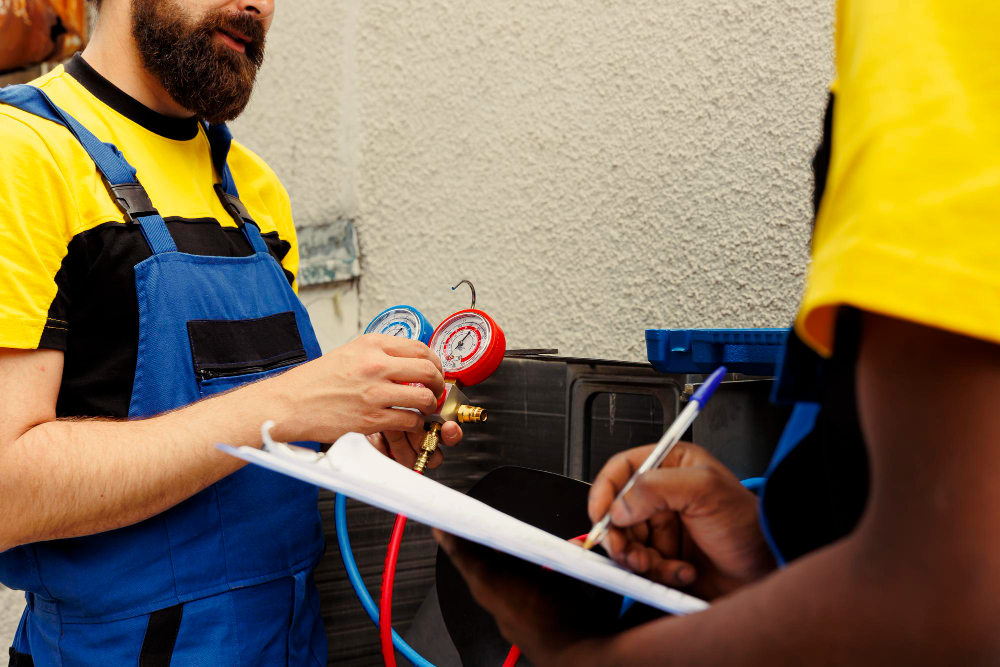
- The Fix: Simply “topping off” the fluid isn’t enough. A technician must find the leak, seal it, and then recharge the system to the exact levels required by the manufacturer.
Understanding Replacement Costs
Sometimes, a repair isn’t enough. If your unit is more than 15 years old, you might be looking at a replacement. This can feel overwhelming, but breaking down the costs makes it easier to plan.
Key Factors in Pricing:
- Unit Size: HVAC power is measured in “tons.” A 10-ton unit for a warehouse costs significantly more than a 2-ton unit for a small retail shop.
- Efficiency Ratings (SEER2): Higher efficiency units cost more upfront but save you a fortune on your monthly electric bill.
- Installation Complexity: If the unit is on a 10-story roof and requires a crane, the labor cost will go up.
- Ductwork: If your old pipes are leaky or too small, they may need to be replaced along with the unit.
If you find that your building is shivering through the winter because the old furnace has finally given up, you should look into heating replacement Services in Martinsburg, WV. Getting a modern, high-efficiency heater can reduce your energy waste by up to 30%, which is a huge win for any small business owner.
Conclusion
A commercial HVAC system is a big investment, but it doesn’t have to be a constant source of stress. By staying on top of filter changes, listening for strange noises, and understanding when it is time to upgrade to more efficient technology, you can keep your building comfortable and your energy bills low. Whether you are managing a shop in Charles Town or an office in Shepherdstown, being proactive is the secret to a long-lasting system. For expert help with your building’s comfort, you can always rely on the professional team at Techstar Mechanical Services LLC.