
When your air conditioner stops cooling the way it used to, you might start wondering if it’s time to replace it. Maybe your system keeps breaking down, or your energy bills are climbing every summer. Whatever the reason, replacing your home’s air conditioner is something most homeowners face eventually. The good news is that when you understand the process, it becomes much less stressful.
Before jumping into a replacement, you might want to explore air conditioning repair services to see if your current system can be fixed. Sometimes a simple repair or part replacement can get your AC working again. But if your technician confirms it’s time for a new unit, knowing each step helps you make the right choices and avoid surprise costs.
Let’s learn exactly what happens during an air conditioner replacement, how to plan for it, and what to expect from start to finish.
How to Replace Your Home’s Air Conditioner
Step 1: Evaluate Your Current System
The first step is determining whether your current AC system can be repaired or if replacement is your best option. A technician will inspect the system, checking refrigerant levels, electrical parts, and ductwork. If your system is more than 10–15 years old or uses outdated refrigerant, replacement may be more cost-effective.
Your technician will also look for any signs of poor performance, like uneven cooling or strange noises. If your system fails more often than it runs, replacing it can help you save money in the long run.
Step 2: Choose the Right Type and Size
Once you decide to replace your AC, the next step is choosing the right unit for your home. Central air conditioners are common, but ductless mini-splits or heat pumps might suit your layout better.
A professional will measure your home’s cooling load based on size and insulation to ensure the system is efficient. If you’re updating your heating too, consider asking about residential heating service to keep both systems running smoothly.
Step 3: Plan for Energy Efficiency
When choosing a new air conditioner, look for the SEER (Seasonal Energy Efficiency Ratio) rating. A higher SEER means better energy savings, even if the system costs more upfront.
Some models include variable-speed motors and smart thermostats for better control. Ask your technician about rebates or tax credits to help lower costs.
Step 4: Prepare the Installation Area
Before the installation begins, your technician will prepare the area around your old unit. This includes checking your electrical connections, clearing debris from the outdoor space, and inspecting ductwork for damage.
If the ducts are dirty or leaking, the technician may recommend cleaning or sealing them before connecting the new system. This helps your AC work efficiently and keeps indoor air cleaner. A well-prepared space also helps prevent future issues like poor airflow or water leaks.
Step 5: Remove the Old Unit and Install the New One
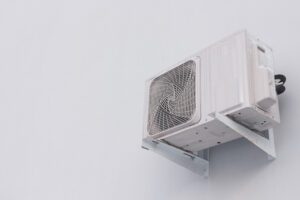
This step includes removing the old air conditioner and setting up the new one. The refrigerant is safely recovered, and the new unit is installed, connected to the ductwork and electrical system, and checked for leaks and airflow.
After setup, the AC is powered on for a test run. You can also request an air conditioner diagnosis to confirm everything is working properly and catch small issues early.
Step 6: Test and Fine-Tune the System
After the installation, your technician will test the entire system. They’ll check airflow, measure temperature differences, and ensure the thermostat is accurate. Any adjustments are made at this stage to make sure your new AC runs smoothly and efficiently.
This is also when you’ll learn how to properly operate your system. Your technician can show you how to use your thermostat settings to balance comfort and energy savings. Keeping your system well-tuned from the start sets you up for long-term performance.
Step 7: Schedule Regular Maintenance
Even a brand-new air conditioner needs care. Regular maintenance helps keep your system clean, efficient, and reliable. Here are a few simple things you can do:
- Replace or clean your air filters every one to three months.
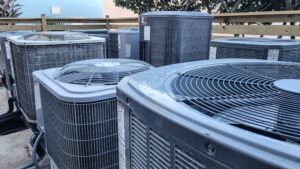
- Keep the outdoor unit free from grass, leaves, and dust.
- Schedule a professional tune-up at least once a year.
- Check your vents and ducts for blockages.
Consistent maintenance helps prevent unexpected repairs and extends the life of your new AC.
If you run a business, working with trusted commercial HVAC companies near me Martinsburg, keeps your building comfortable and energy-efficient. Regular maintenance also helps cut costs.
Summary!
Replacing your home’s air conditioner is an investment that pays off in comfort, reliability, and energy savings. When you understand each step — from inspection to installation — the process feels much easier. You’ll know what to expect, what questions to ask, and how to keep your new system running smoothly for years.
Once your new AC is installed, maintain it regularly and schedule professional checkups. Taking care of your system helps it perform better and last longer.
For expert installation and trusted service across Martinsburg, Charles Town, and Shepherdstown, count on Techstar Mechanical Services LLC. Their experienced team provides clear guidance and dependable work, helping you enjoy a cool, comfortable home all year long.